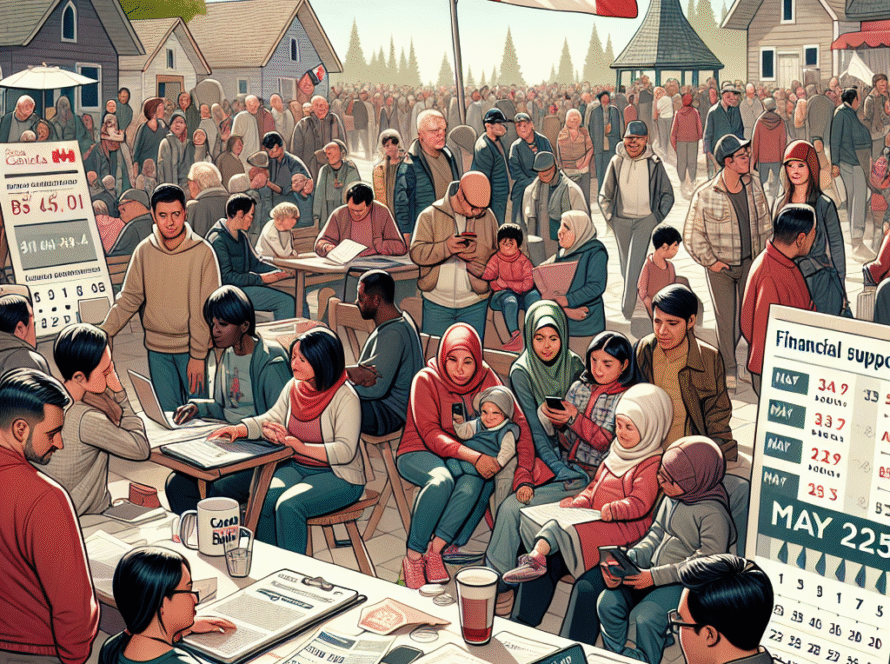
Canada’s Immigration Minister Warns of Stricter G7 Asylum Rules

Canada’s Immigration Landscape: Balancing Humanitarian Goals with Practical Realities
In the face of tightening asylum rules by fellow G7 nations, Canada’s immigration policies are under the spotlight. Recent global policy shifts, notably the U.S. halting asylum applications and the U.K. imposing a 20-year wait for permanent residency, have raised concerns about potential increases in asylum seekers looking towards Canada. Immigration Minister Lena Diab has emphasized that Canada’s asylum system is not a loophole for bypassing regular immigration channels. The focus remains on providing refuge to those facing genuine peril.
Why Global Policy Changes Matter to Canada
Minister Diab’s firm stance comes at a critical time, as several G7 countries are revising their refugee policies. These changes could lead to a redirection of claimants who might have previously sought refuge elsewhere. Diab’s message is clear: Canada cannot be a contingency option for those seeking to exploit procedural differences.
To address these concerns, Bill C-12 is being introduced in Parliament. This legislation seeks to delineate between legitimate protection needs and attempts to misuse the system. The bill proposes early screening measures and restricts asylum claims from individuals residing in Canada for over a year.
Capacity Challenges: Housing, Healthcare, and Public Resources
A recurring theme in Diab’s comments is the capacity challenge. While Canada continues to uphold humanitarian pathways, the pressure on housing, healthcare, and public infrastructure is mounting. The federal government’s current plan stabilizes permanent resident admissions while curbing temporary resident inflows, including international students. This response aligns with the public sentiment for a more measured pace of arrivals, as observed during the latest national election cycle.
Reflecting on Domestic Realities
Despite these challenges, Canada remains committed to aiding those in dire circumstances. A prime example is the prioritization of applications from Sudanese families fleeing civil unrest, with expedited processing to facilitate family reunification by 2026.
Simultaneously, the government is adjusting its broader policies to match the country’s current limitations. By reducing international student numbers and stabilizing permanent resident targets, provinces can better prepare infrastructure, manage population growth, and maintain support systems for those genuinely in need of protection.
Striking a Balance
Canada’s asylum system is renowned for offering refuge to those escaping danger. The challenge now is to preserve this purpose while preventing its exploitation. Minister Diab advocates that early screening and clear rules will ensure resources are allocated to those in real need, signaling globally that Canada’s system is not a backdoor immigration route.
What Lies Ahead
The minister’s remarks mark a pivotal moment in national policy recalibration. As Canada enacts Bill C-12 and updates its immigration targets, the goal is to harmonize humanitarian responsibilities with the realities faced by communities nationwide. The message is unequivocal: protection remains a priority, but the system must function effectively for those who truly depend on it.